
Describe the pest evidence
Share the postcode, sightings and affected rooms, plus any recent treatment or access restrictions.
Identify the pest. Plan the response.
From mice behind kitchen units to insect activity in sleeping areas, start with the evidence. Discuss inspection, treatment scope and prevention before agreeing the work.
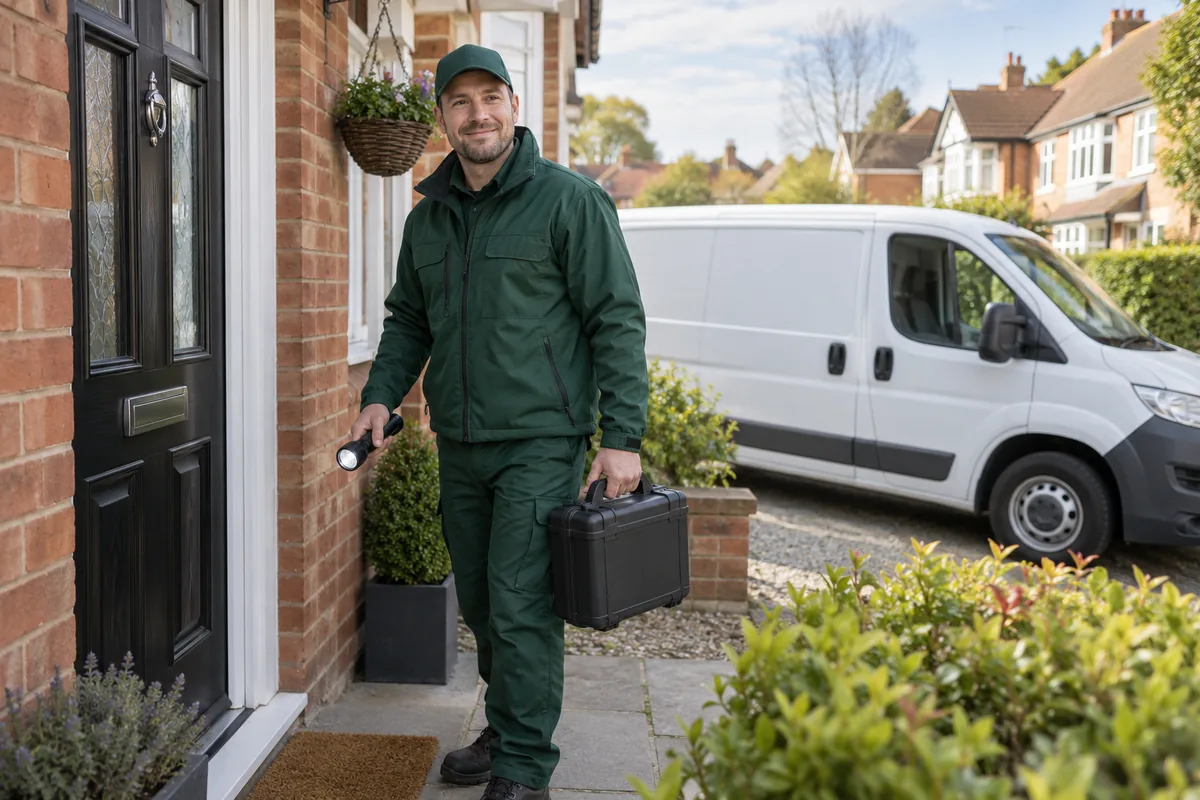
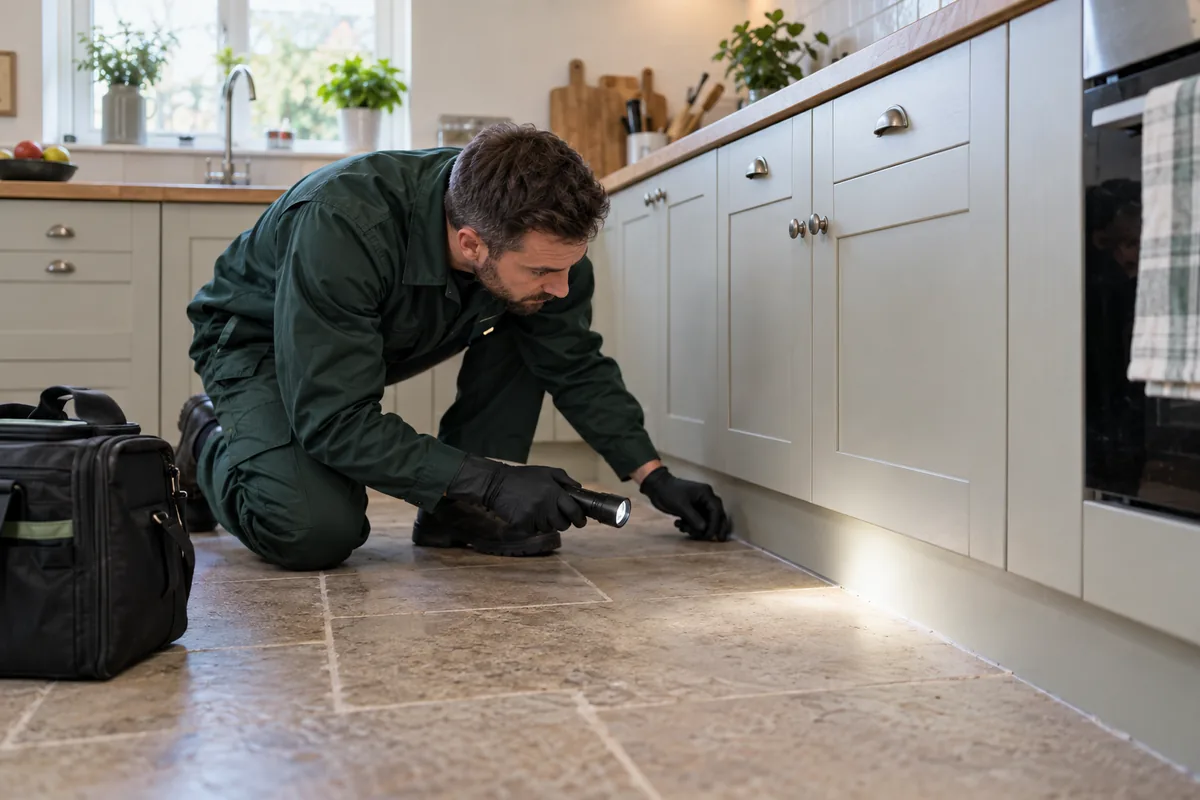
Emergency Pest Control — Unexpected scratching, repeated sightings or insects spreading through occupied rooms need an assessment of the evidence, not a guessed treatment.
Explore service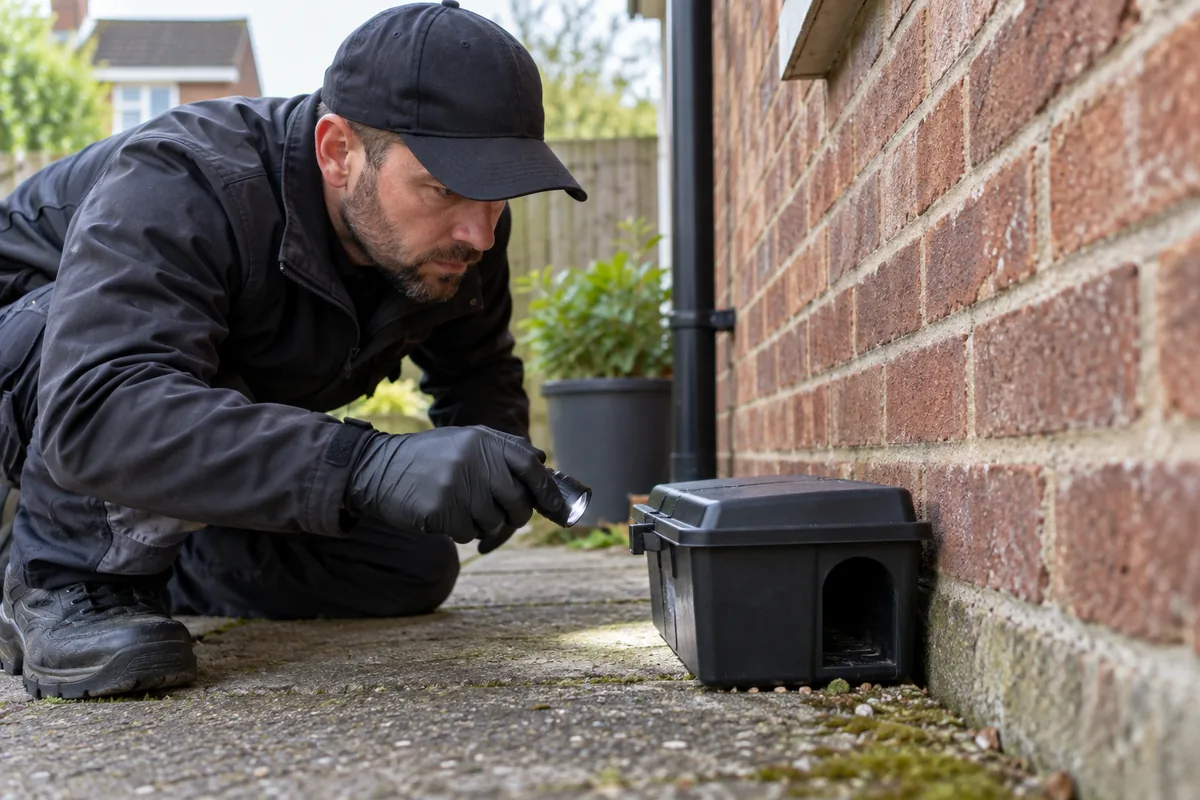
Rat Control — Rat-control work examines sightings, gnawing, droppings and likely access routes around a property.
Explore service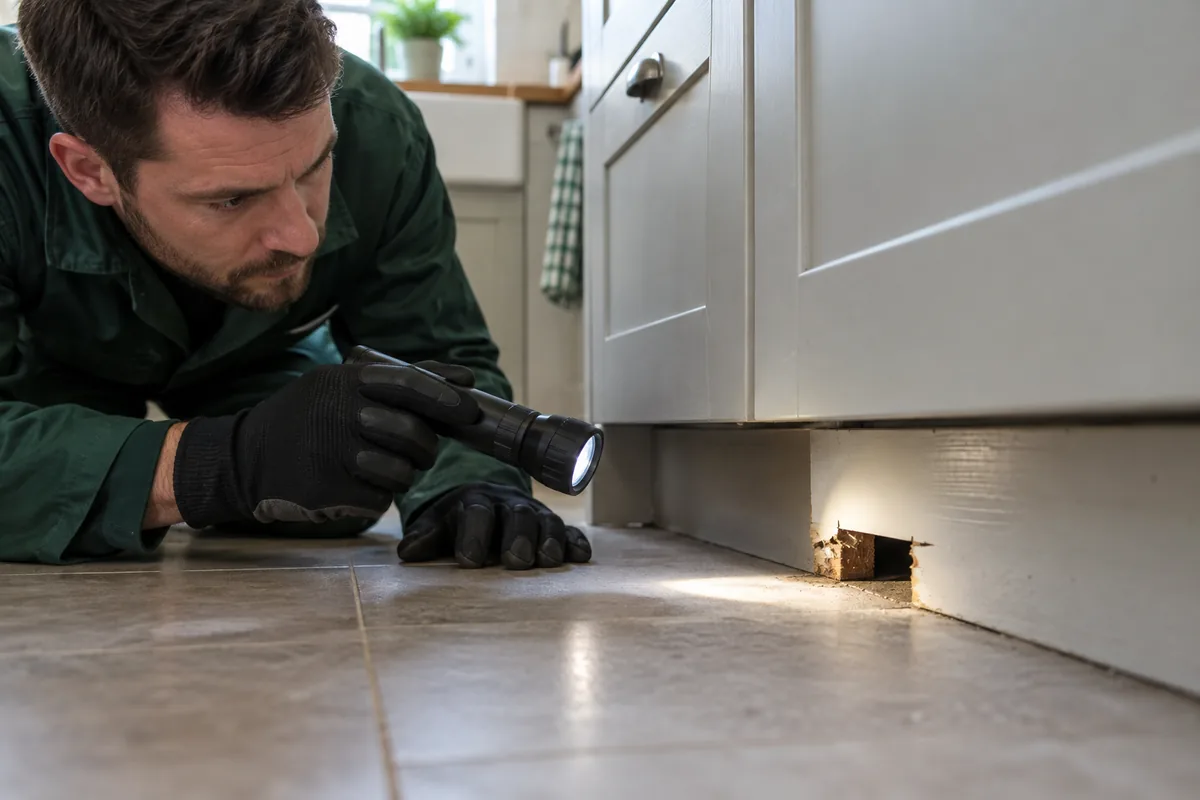
Mouse Control — Mouse-control inspections focus on evidence around kitchen units, storage, pipe penetrations and adjoining rooms.
Explore service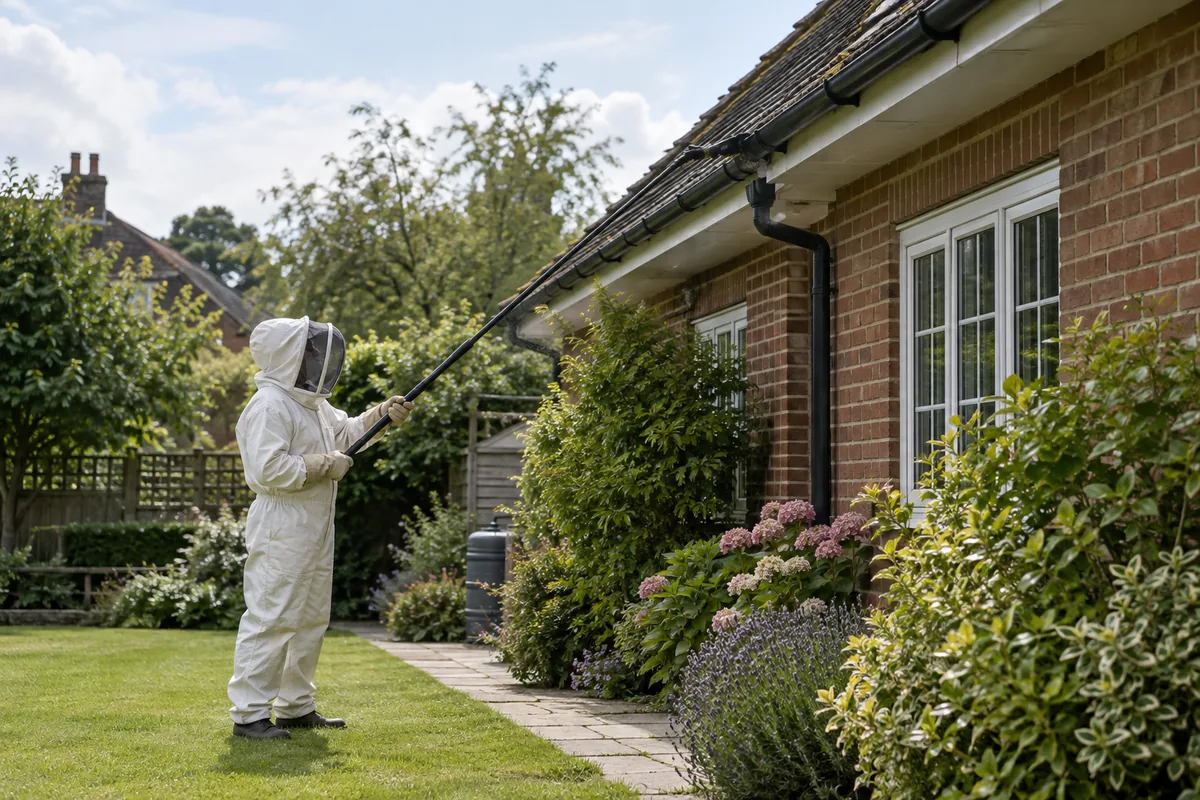
Wasp Nest Removal — A wasp enquiry should identify the flight entrance, approximate height and nearby doors or public routes.
Explore service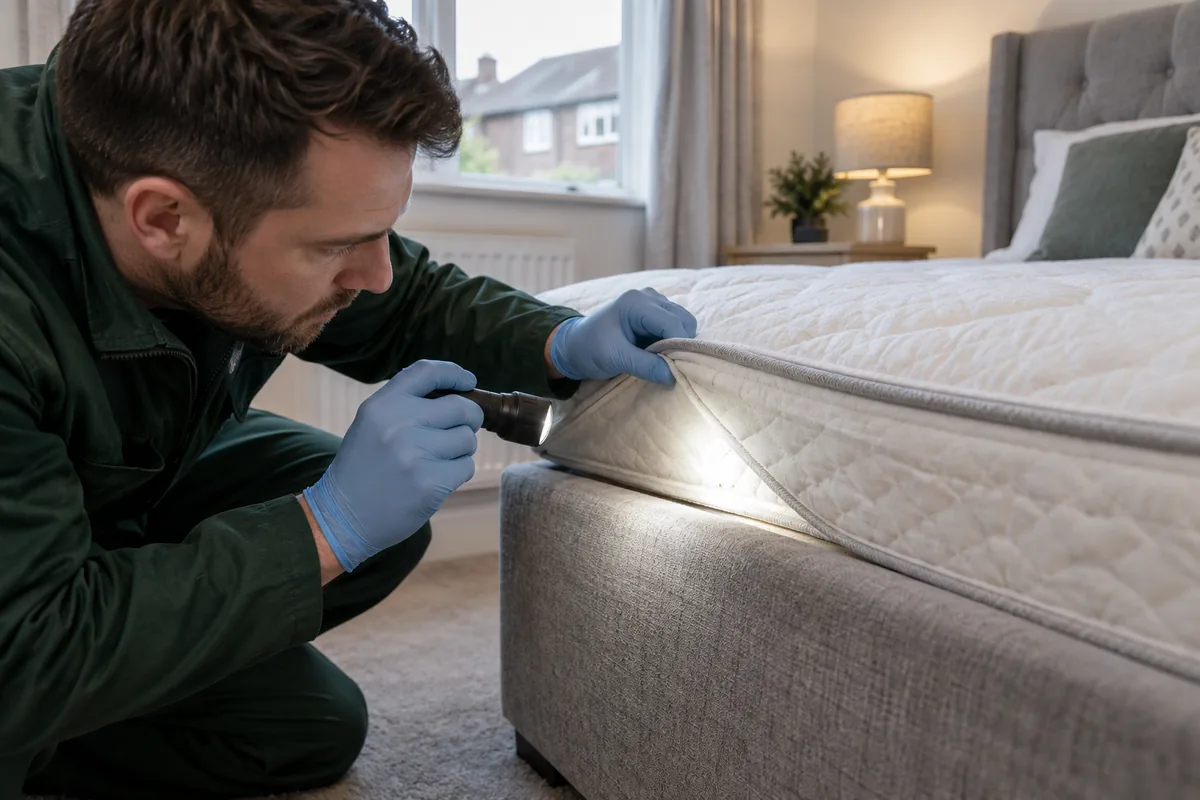
Bed Bug Treatment — Bed-bug treatment planning considers sleeping areas, furnishings, sightings and movement between rooms.
Explore service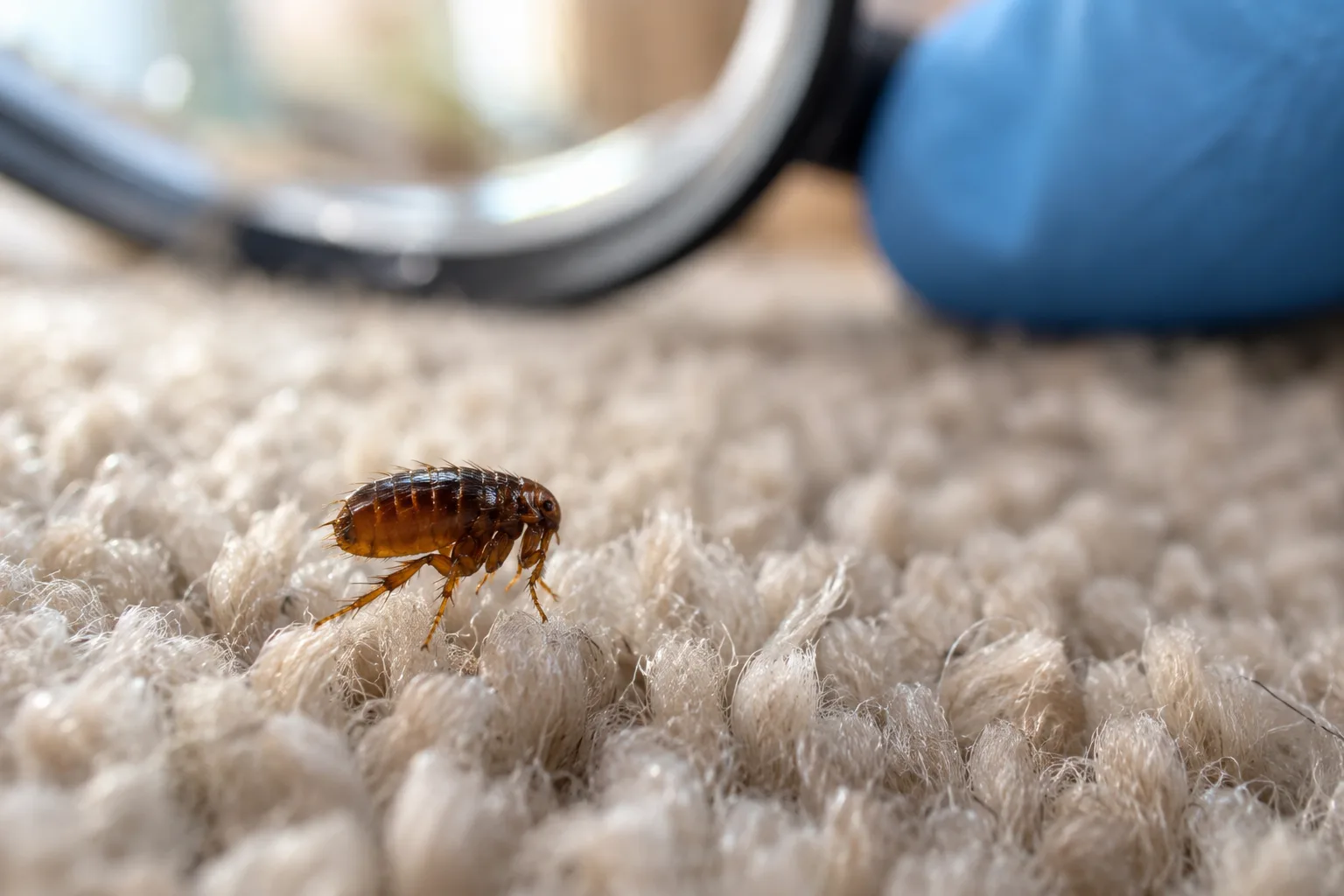
Flea Treatment — Flea-treatment enquiries consider affected floors, furnishings, sightings and recent animal contact.
Explore service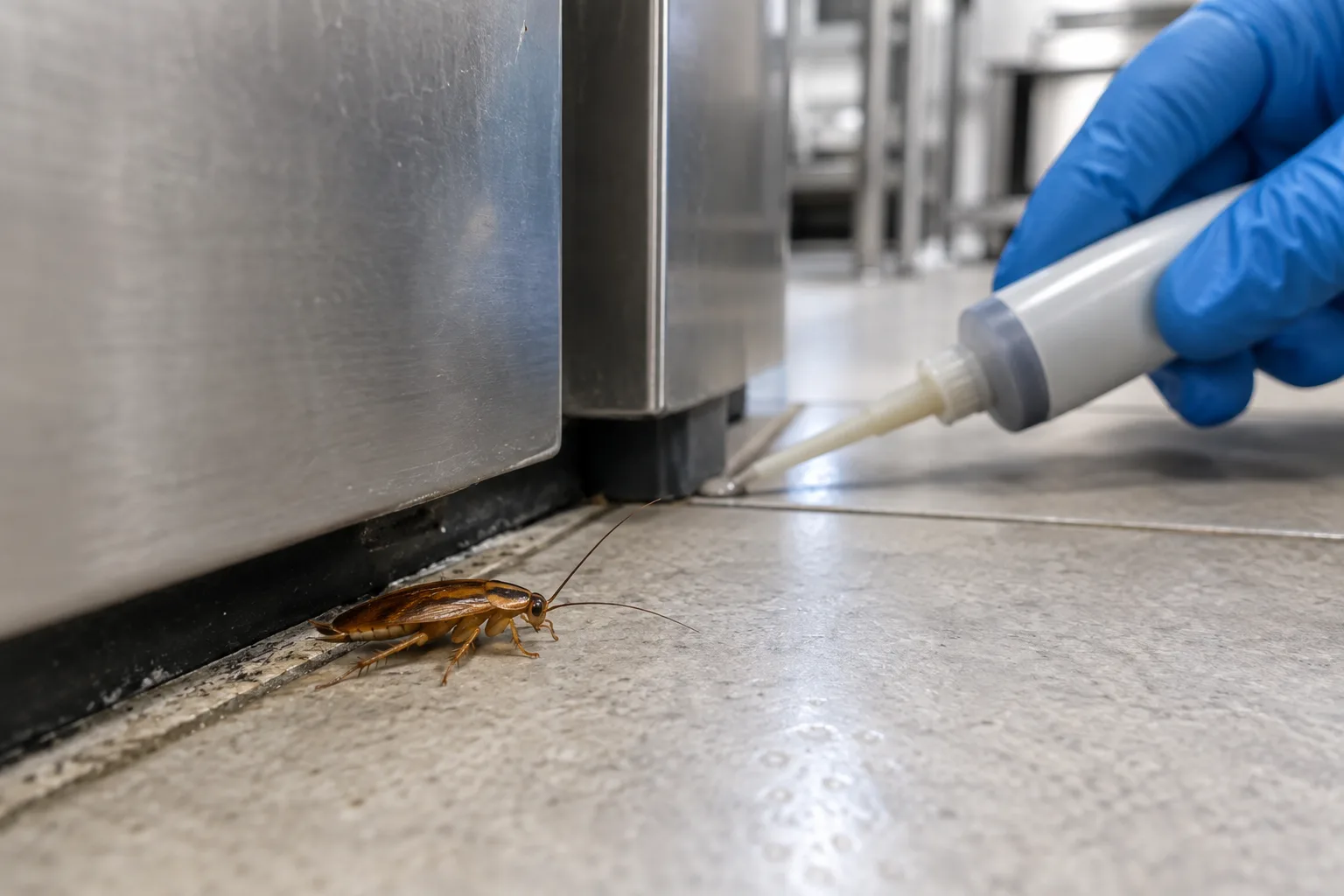
Cockroach Control — Cockroach-control planning considers species identification, sightings, heat and moisture sources and connections between rooms or units.
Explore service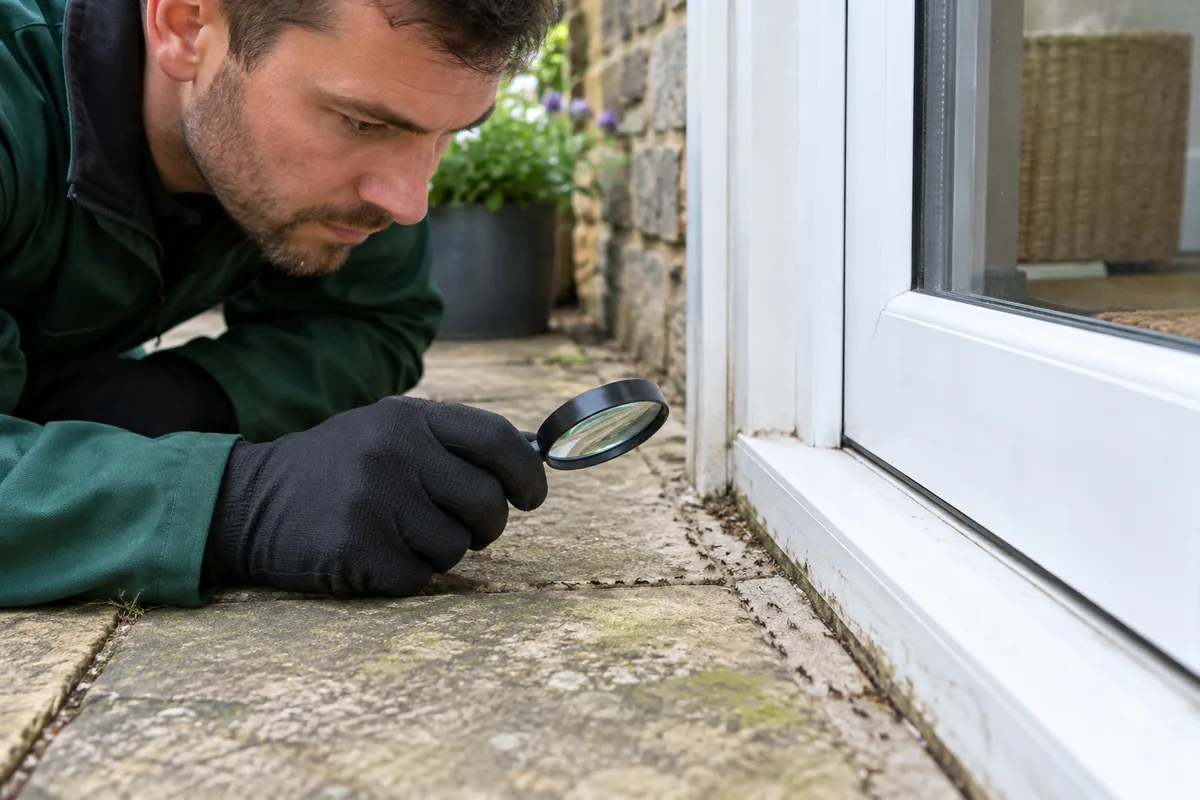
Ant Control — Ant-control assessment follows visible trails, entry points and affected rooms.
Explore service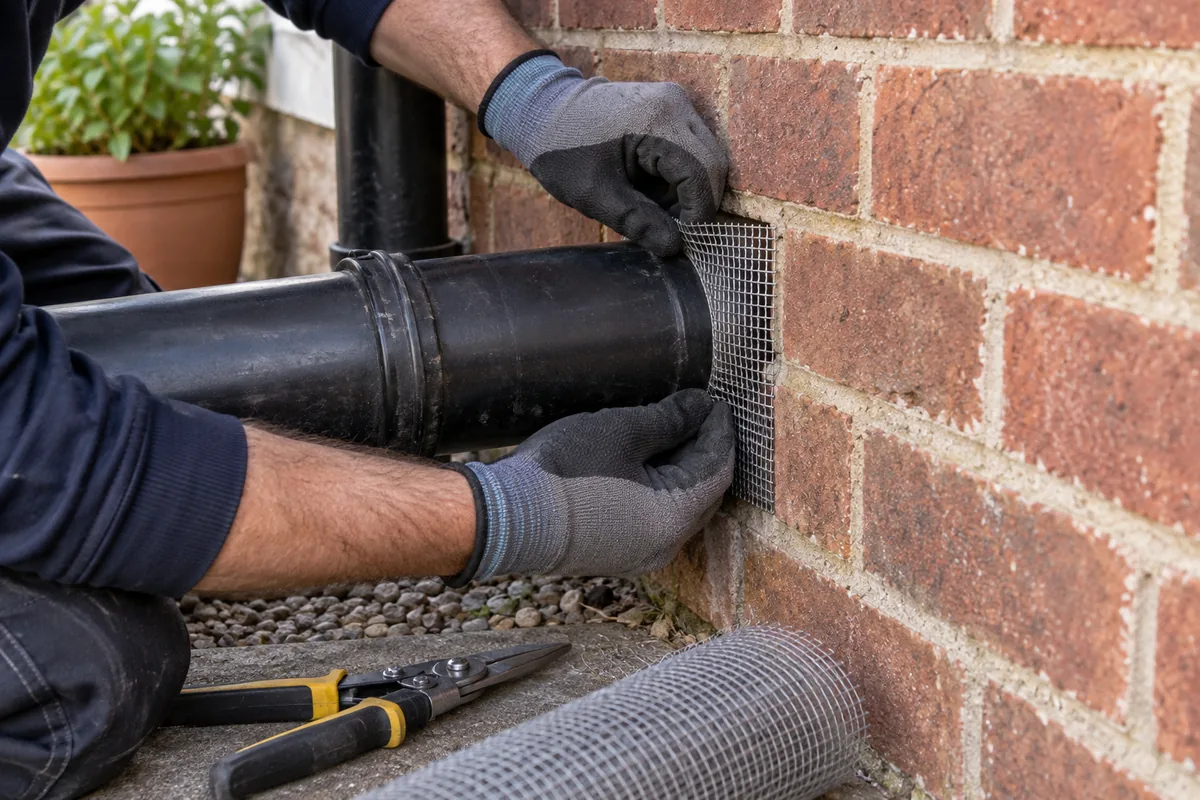
Rodent Proofing — Rodent proofing assesses accessible gaps around doors, service penetrations and the building envelope.
Explore service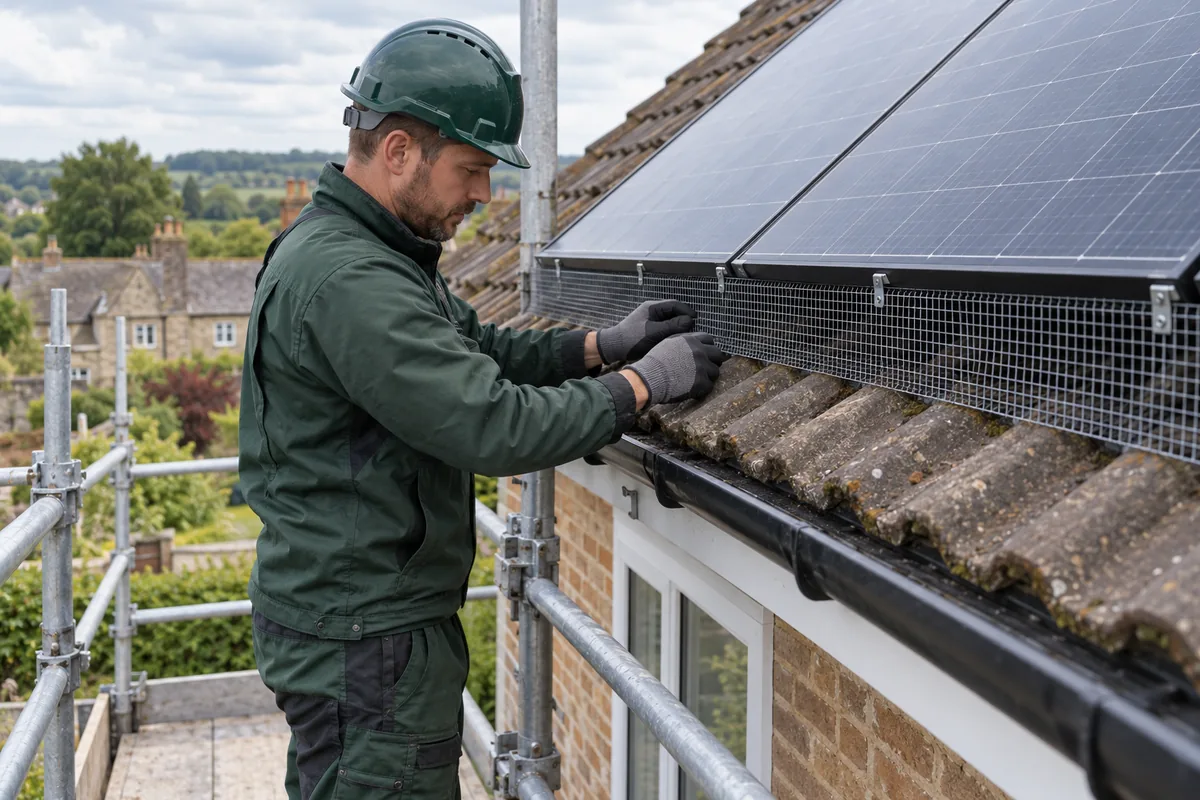
Pigeon Proofing — Pigeon-proofing enquiries consider the affected ledges, roof details and access arrangements.
Explore service
Commercial Pest Control — Commercial pest-control enquiries should define the premises, pest evidence, working hours and reporting requirements.
Explore service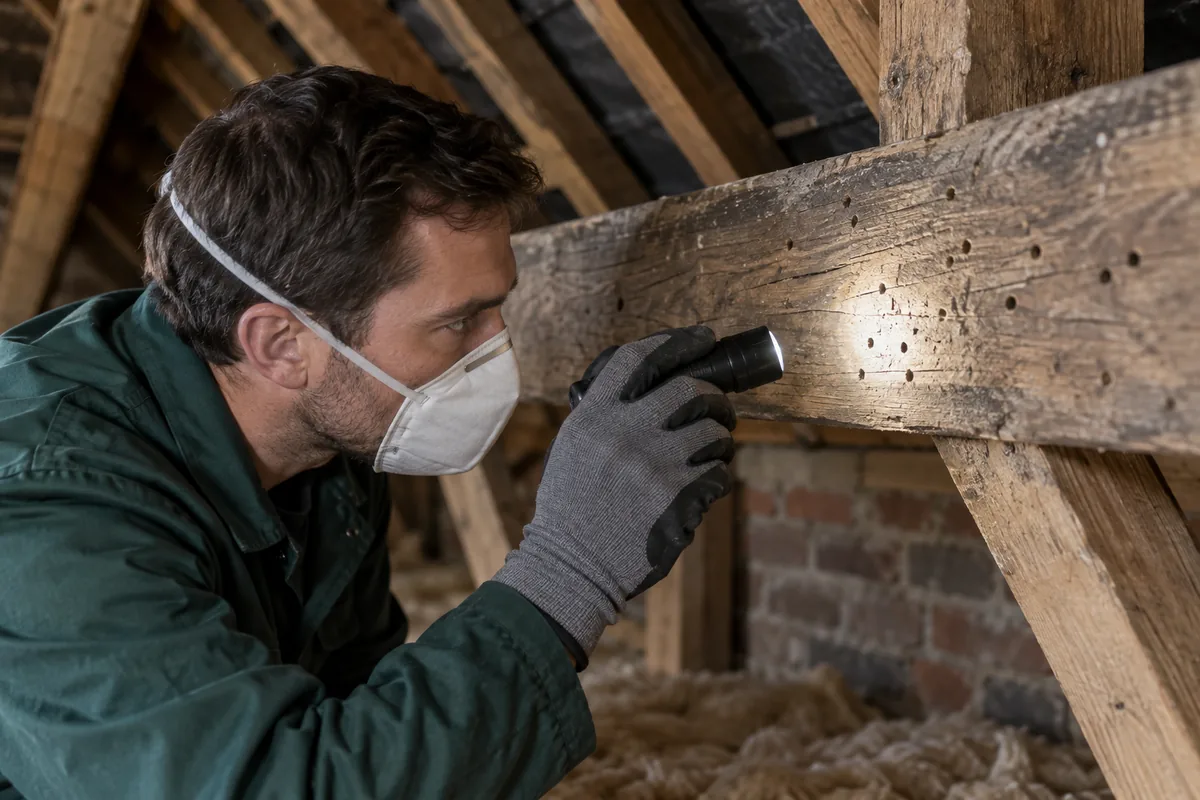
Woodworm Treatment — Woodworm enquiries require assessment of timber type, accessible surfaces and evidence of insect damage.
Explore serviceShare the postcode, sightings and affected rooms, plus any recent treatment or access restrictions.
Discuss identification, the areas to inspect, household or business arrangements and the information needed for a quotation.
Confirm preparation, the proposed work, costs and follow-up arrangements before booking.
Browse towns and cities, then choose the pest control service you need.
Find an English area ↗Explore London by borough and named ward. Have your full postcode ready.
Find a London area ↗Describe what you have seen and where it happened. Identification, access and the affected spaces determine the next step.
Yes. Describe the evidence and where it was found. Identification should guide the proposed inspection or treatment.
No. Attendance depends on location, the pest, safe access and availability. Confirm the proposed time before booking.
Provide operating hours, affected areas and the site contact so inspection and reporting requirements can be discussed.
Ask for the quoted scope, including inspection, treatment, monitoring, preparation and any follow-up visits.
Building repairs and active control are separate tasks unless the quotation explicitly includes both.
Tell the technician what was used, where and when, so the next assessment can take it into account.
The form prepares a summary and an email draft. You must send that draft from your email application; it does not book a visit.
Have the postcode, affected rooms, sighting dates, access arrangements and any photographs taken without disturbing the evidence.
Tell us what happened and where you need help.